
Leading Products For Retaining Wall Construction You Can Trust
Find top-rated supplies and accessories that ensure your retaining wall remains strong and visually appealing over time.
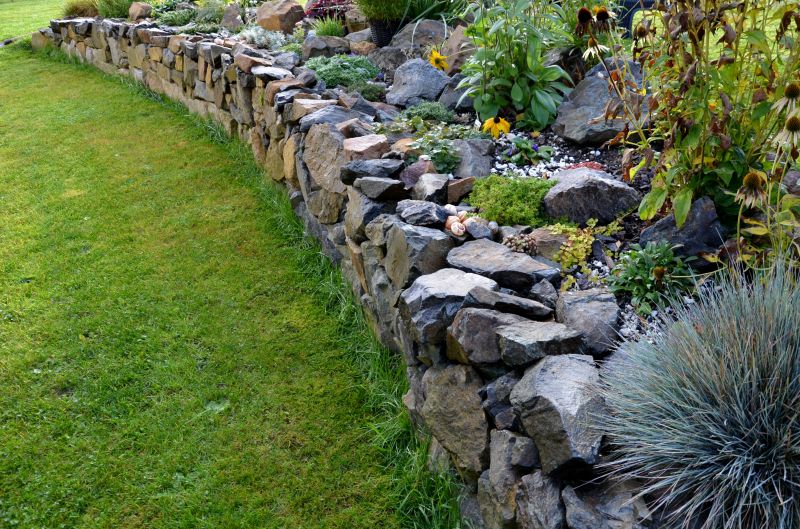 Retaining wall installations are essential elements in landscape design and construction, providing structural support to hold back soil and prevent erosion. The selection of appropriate products for building a retaining wall depends on various factors including the type of soil, the height of the wall, and aesthetic preferences. From foundational materials to finishing touches, a wide array of products are available to assist in creating durable and visually appealing retaining walls.
Top Overall Option
Concrete Block System
A versatile and widely used solution, concrete block systems provide durability, ease of installation, and a variety of design options. They are suitable for a range of retaining wall heights and can be combined with reinforcement and drainage components for enhanced stability. The modular nature of concrete blocks allows for customization and adjustments during construction, making them a popular choice among DIY enthusiasts and professionals alike.
Types of Products For Retaining Wall Installations
Concrete Blocks
Precast concrete blocks are a common choice for constructing strong, stable retaining walls with a variety of finishes and sizes.
Natural Stone
Natural stones such as fieldstone or limestone offer an organic aesthetic and are often used for rustic or traditional landscape designs.
Segmental Retaining Wall Blocks
Interlocking blocks designed for easy installation, providing stability and flexibility for different wall configurations.
Timber Timbers
Wooden timbers create a natural look and are suitable for low to medium height walls, often used in garden landscapes.
Gabion Baskets
Wire cages filled with rocks or other materials, offering a flexible and permeable solution for erosion control and aesthetic appeal.
Steel Reinforcement
Steel ties and geogrids provide structural support and reinforcement for taller or more complex retaining walls.
Drainage Pipes
Essential for managing water behind the wall, helping to prevent pressure buildup and potential failure.
Cap Blocks
Decorative and protective caps for the top of the wall, finishing the installation with a polished look.
Sealants and Adhesives
Used to secure blocks and prevent water infiltration, enhancing the durability of the structure.
Soil Stabilizers
Products that improve soil cohesion and reduce erosion around the retaining wall area.
Landscape Fabric
A permeable fabric placed behind the wall to prevent weed growth and soil mixing.
Leveling Sand
Used during installation to create a stable base and ensure proper alignment of blocks.
Concrete Adhesives
Specialized adhesives for bonding blocks or stones securely during construction.
Edging and Trim
Provides a finished look and helps contain the materials within the wall structure.
Erosion Control Mats
Planted or synthetic mats that stabilize soil and prevent erosion around the retaining wall.
Popular Choices
A common choice for various retaining wall projects, appreciated for their strength and variety of styles.
Favored for its aesthetic appeal and durability, natural stone offers a timeless look.
Designed for easy assembly, these blocks facilitate quick construction with a secure fit.
Popular for low-height walls and garden borders, providing a rustic and natural appearance.
Flexible and permeable, gabions are trending for their modern look and functionality.
Effective drainage solutions are crucial for maintaining structural integrity over time.
Adding a finishing touch, cap blocks help protect the wall and enhance its appearance.
Steel elements are frequently used to strengthen taller or more complex structures.
Widely used for weed suppression and soil separation behind the wall.
Sealants help in water resistance and longevity of the retaining wall materials.
Popular for improving soil cohesion and preventing erosion around the structure.
Commonly used during installation to ensure proper leveling and support.
The core components often include blocks or stones that form the main structure, as well as reinforcement materials such as geogrids or metal ties that enhance stability. Drainage systems are equally important to ensure water does not accumulate behind the wall, which could compromise its integrity over time. Additionally, accessories like caps, sealants, and soil stabilizers can contribute to the longevity and appearance of the installation.
When planning a retaining wall project, it is crucial to consider the compatibility of materials, ease of installation, and the specific conditions of the site. Proper planning and selection of the right products can facilitate a smoother construction process and result in a reliable, long-lasting feature that complements the landscape. Consulting product specifications and installation guidelines can help in choosing the most suitable options for your project.
Overall, the market offers a diverse range of products tailored to various skill levels and project complexities. Whether constructing a small garden wall or a large structural barrier, understanding the different product options can empower homeowners and professionals alike to make informed decisions and achieve successful outcomes.
Key Buying Considerations
- Determine the height and load requirements of the wall to select appropriate materials.
- Consider the type of soil and drainage needs to prevent water buildup behind the wall.
- Evaluate the aesthetic style and whether natural, manufactured, or mixed materials suit your landscape.
- Assess ease of installation based on your skill level and available tools.
- Check compatibility of different products, such as blocks with reinforcement or drainage systems.
- Account for climate conditions that may affect material durability and longevity.
- Look into maintenance requirements for the chosen materials and accessories.
- Ensure the products meet local building codes and safety standards.
- Consider the overall budget including materials, tools, and potential professional assistance.
- Plan for future expansion or modifications to accommodate landscape changes.
- Select products with clear installation instructions and available support resources.
- Opt for products that offer a variety of design options to match your aesthetic preferences.
- Evaluate the environmental exposure and choose weather-resistant materials accordingly.
- Determine if additional features like caps or decorative elements are desired for finishing touches.
- Research product reviews and ratings to gauge performance and user satisfaction.