Retention Wall Construction in Santa Rosa, CA
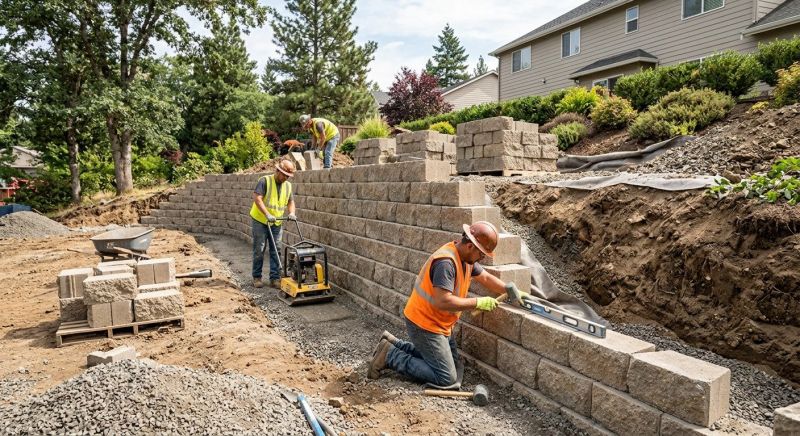
Retention wall construction involves building structures designed to hold back soil and prevent erosion on sloped or uneven land. These walls are commonly used in landscaping projects, garden beds, terraced yards, or to create level areas on properties with varying elevations. Property owners often seek these services to improve the stability of their land, enhance outdoor aesthetics, or prepare their space for planting and other landscaping features.
Before requesting retention wall construction, homeowners typically want to understand the types of materials available, such as concrete, stone, or timber, and how each suits their property’s needs. It’s also important to consider the size and design of the wall, as well as any drainage requirements to ensure long-term stability. Property owners should evaluate the existing landscape and identify areas where a retention wall could provide both functional support and visual appeal.
Many property owners in Santa Rosa, CA look into Retention Wall Construction for repairs, replacements, upgrades, and appearance-related improvements.
Types Of Retention Walls
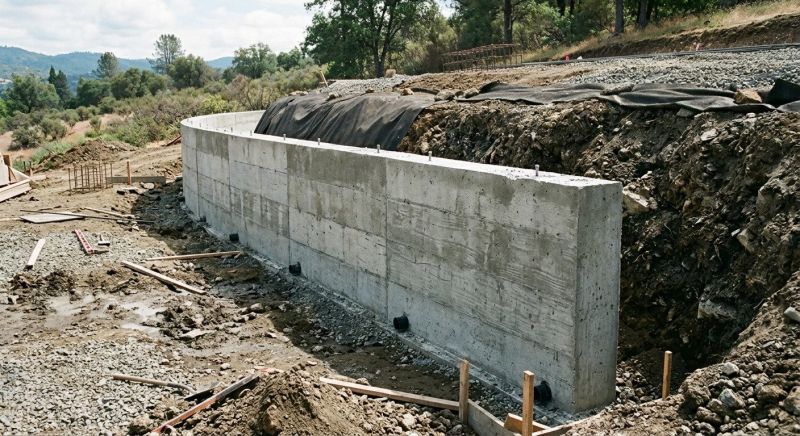
Various materials and designs are available to suit different landscape needs in santa rosa.
Benefits Of Retention Wall Construction
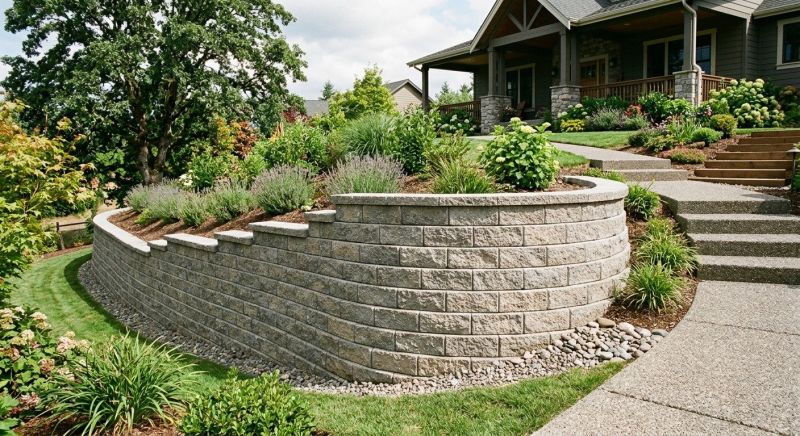
Properly built walls help prevent erosion and improve property stability.
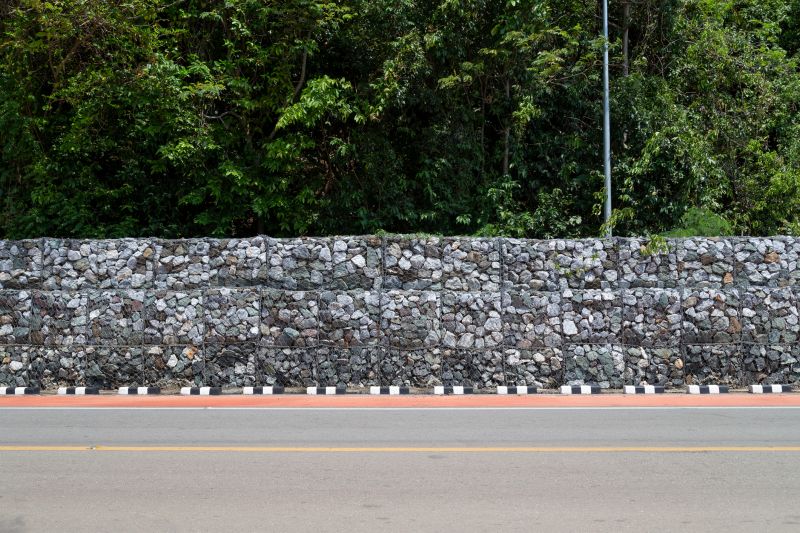
Common Projects And Applications
Retaining walls are often used to create level outdoor spaces and manage hillside properties in santa rosa.
Retention Wall Construction in Santa Rosa, CA
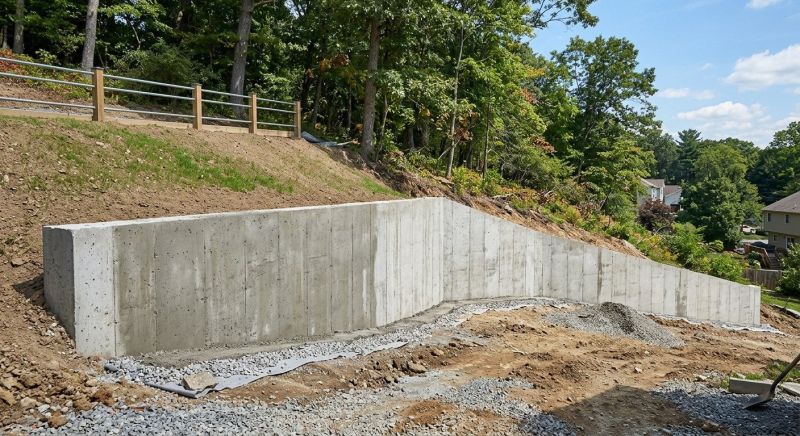
Retention wall construction involves building structures designed to hold back soil and prevent erosion on sloped or uneven land. These walls are commonly used in landscaping projects, garden beds, terraced yards, or to create level areas on properties with varying elevations. Property owners often seek these services to improve the stability of their land, enhance outdoor aesthetics, or prepare their space for planting and other landscaping features.
Before requesting retention wall construction, homeowners typically want to understand the types of materials available, such as concrete, stone, or timber, and how each suits their property’s needs. It’s also important to consider the size and design of the wall, as well as any drainage requirements to ensure long-term stability. Property owners should evaluate the existing landscape and identify areas where a retention wall could provide both functional support and visual appeal.
Many property owners in Santa Rosa, CA look into Retention Wall Construction for repairs, replacements, upgrades, and appearance-related improvements.
Common Retention Wall Construction Jobs
Gravity retaining walls - designed to hold back soil using the earth’s weight for stability.
Segmented block walls - built with interlocking blocks for a durable and attractive finish.
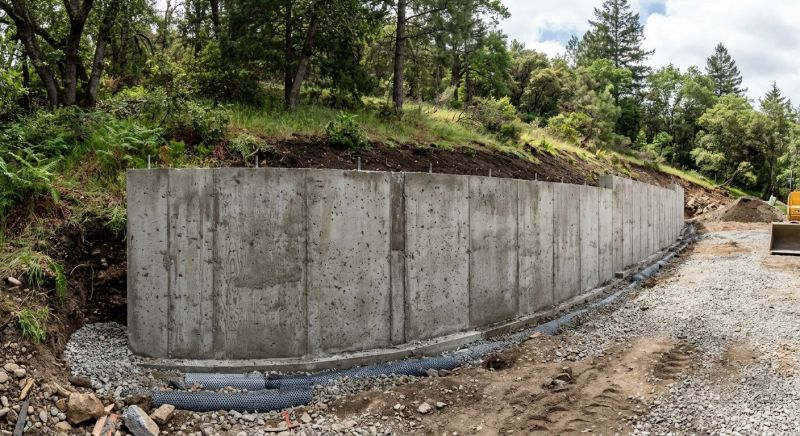
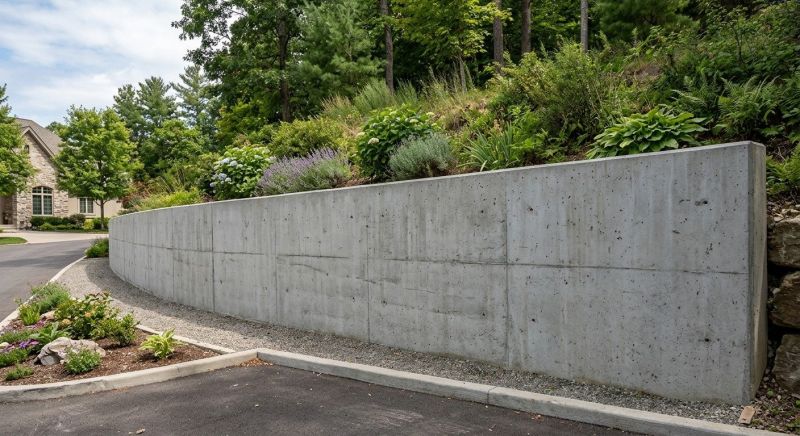
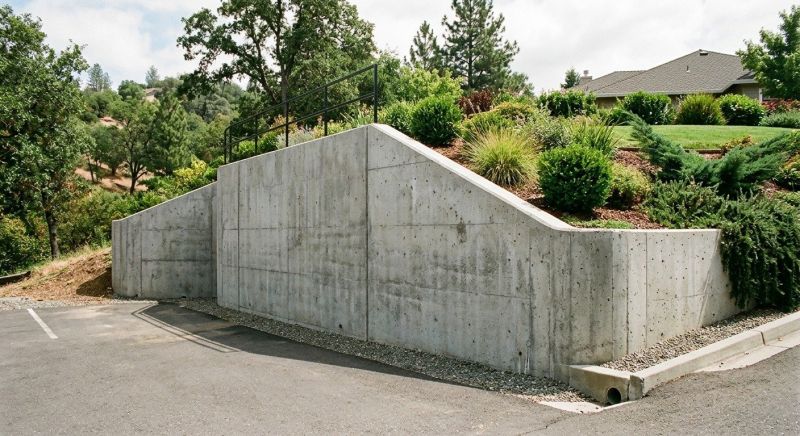
Concrete retaining walls - constructed with poured concrete for strength and longevity.
Natural stone walls - crafted with natural stones to complement landscape aesthetics.
Sheet pile walls - used for managing high water tables or challenging terrain.
Reinforced retaining walls - engineered with reinforcement for added stability on slope projects.
Retention Wall Construction Questions
What is a retaining wall used for? Retaining walls help manage soil erosion, create level areas, and support landscaping features on properties in Santa Rosa, CA.
What materials are common for retaining walls? Common materials include concrete, stone, brick, and wood, chosen based on the project’s aesthetic and structural needs.
How does soil type affect retaining wall construction? Soil type influences design considerations; for example, clay soils may require different drainage solutions compared to sandy soils.
What factors should property owners consider before building a retaining wall? Important factors include the wall’s purpose, height, soil conditions, and the surrounding landscape to ensure proper support and longevity.
Request Retention Wall Construction in Santa Rosa, CA
Use the quote form on this page to share the basics of your project and request more information for the type of work you need.